

 Opening Times

Most of us spend plenty of time planning the fun parts of a holiday – choosing where to eat, what to see and how to make the most of every day. But there’s one small thing that’s easy to overlook before you fly: knowing the local emergency numbers.
Hopefully, you’ll never need them. But if something unexpected does happen, whether it’s a medical emergency, an accident or a crime, knowing who to call can save valuable time and make a stressful situation a little easier to manage.
Before you pack your bags, take a few minutes to save the emergency numbers for your destination.
Emergency numbers around the world
Emergency numbers aren’t the same everywhere, so it’s worth checking them before you travel. Here are the main ones for some of the UK’s most popular destinations.
| Destination | Emergency number(s) |
| Europe (EU countries) | 112 |
| USA and Canada | 911 |
| Australia | 000 |
| New Zealand | 111 |
| Japan | 110 (police), 119 (fire and ambulance), 118 (maritime emergencies) |
| Thailand | 191 (police), 1155 (Tourist Police), 1669 (medical emergencies) |
| Singapore | 999 (police), 995 (fire and ambulance) |
| South Africa | 10111 (police), 10177 (ambulance) |
Most emergency calls are free, and in many countries they’ll connect even if your phone is locked or you don’t have any credit.
Why every traveller should know 112
If you’re travelling around Europe, there’s one number that’s worth remembering: 112. It’s the main emergency number used across all 27 EU member states, and it connects you to the police, ambulance or fire service.
One of the biggest advantages is that you don’t need to remember a different number for every country you visit. In many cases, operators can speak English or quickly find someone who can. Depending on where you are, emergency services may also be able to identify your location automatically, helping them reach you more quickly if you’re unsure exactly where you are.
You can usually call 112 from any mobile or landline, even without phone credit or a working SIM card, as long as there’s an available mobile network.
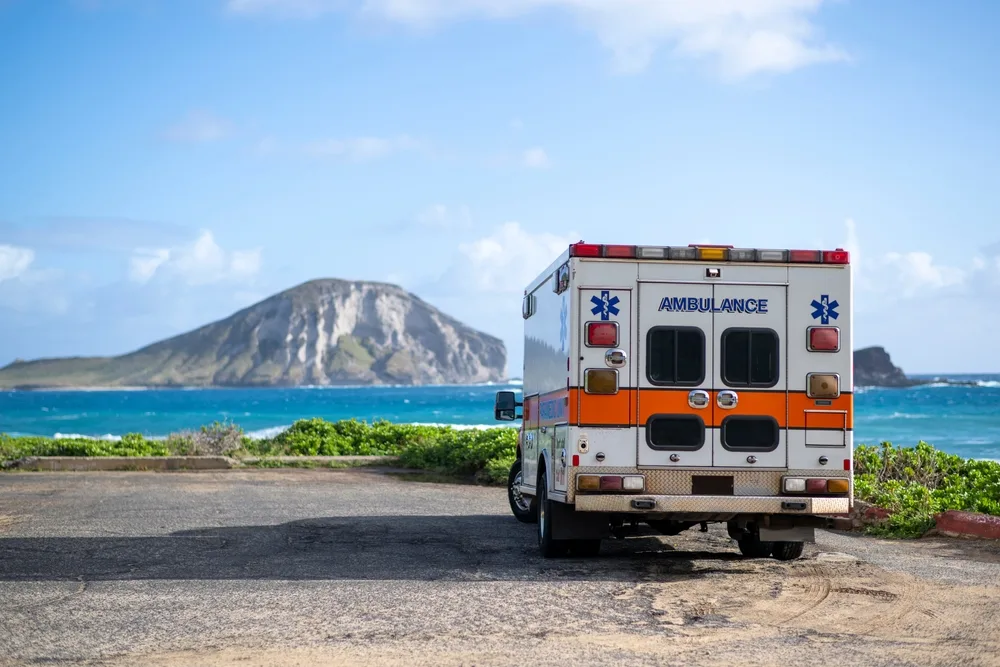
Emergency numbers by destination
Once you leave Europe, emergency numbers aren’t as consistent, so it’s worth checking the local system before you travel. While many countries have a single number for all emergency services, others use different numbers depending on whether you need the police, an ambulance or the fire service.
Here are some of the most common emergency numbers for popular holiday destinations.
United States and Canada
Dial 911 for any emergency involving the police, fire service or ambulance. The 911 system operates across both countries and is widely recognised, so it’s the only number you’ll need to remember if you’re travelling around North America.
Australia
In Australia, 000 (known as Triple Zero) is the national emergency number for police, fire and ambulance services. Calls are free, and operators will ask which emergency service you need before connecting you.
New Zealand
Call 111 if you need urgent assistance from the police, fire service or ambulance. Like Australia’s system, you’ll be asked which emergency service you require before your call is transferred.
Japan
Japan uses different numbers depending on the type of emergency, so it’s helpful to know which one you need before you travel.
- 110 – Police
- 119 – Fire and ambulance
- 118 – Maritime emergencies
If you don’t speak Japanese, don’t panic. In many areas, operators can arrange interpretation services or connect you with someone who speaks English.
Thailand
Thailand has several emergency numbers, including one specifically designed to help visitors.
- 191 – Police
- 1155 – Tourist Police, with English-speaking operators
- 1669 – Medical emergencies
If you’re unsure who to contact, the Tourist Police are often a good first point of contact. They can help visitors with emergencies, provide advice and assist with communication.
Singapore
Singapore uses separate numbers depending on the type of emergency.
- 999 – Police
- 995 – Fire and ambulance
Emergency services in Singapore are known for their quick response times, but it’s still important to give your exact location when calling.
South Africa
South Africa also uses separate emergency numbers for different services.
- 10111 – Police
- 10177 – Ambulance
If you’re travelling in remote areas or on safari, it’s also worth saving the contact details for your accommodation or tour operator, as they can often help direct emergency services to your location.
How to call emergency services abroad
Knowing the number is only part of the picture. If you ever need to make an emergency call overseas, staying calm and giving clear information can help emergency services respond more quickly.
Can you call without credit?
In many countries, yes. Emergency calls can often be made:
- From a locked mobile phone
- Without phone credit
- Without an active roaming plan
- From hotel telephones
- From many public payphones
Availability can vary by country and network, so it’s worth checking local guidance before you travel.
What information should you give?
If you can, tell the operator:
- Exactly where you are
- What has happened
- Whether anyone is injured
- How many people need help
- The phone number you’re calling from
- Your name and nationality
Don’t worry if you can’t answer every question straight away. Just give as much information as you can.
Tips for making the call
Here are some tips to help make an emergency call abroad less daunting:
- Stay as calm as possible
- Speak slowly and clearly
- If you don’t speak the local language, start by saying “English, please.”
- Stay on the line until you’re told it’s OK to hang up
- Follow any instructions the operator gives you
It’s also worth travelling with a fully charged phone and a portable power bank, especially if you’re spending long days exploring.
What counts as an emergency?
Not every travel problem needs an emergency response.
Emergency services are there to deal with situations where someone is seriously injured, in immediate danger or where urgent help is needed.
Call emergency services if:
- Someone is seriously injured or unconscious
- There’s a fire or suspected gas leak
- A serious crime is happening
- There’s been a road traffic accident with injuries
- Someone’s life is at immediate risk
Don’t use emergency numbers for:
- Lost passports
- Flight delays or cancellations
- Minor illnesses or injuries
- Theft that isn’t happening right now
- Tourist information or directions
If you’re genuinely unsure whether it’s an emergency, it’s usually better to make the call and let the operator decide how best to help.
When should you contact the British embassy?
Some situations aren’t emergencies in the traditional sense but still require official support.
If you’re a British citizen abroad, your nearest embassy or consulate may be able to help if:
- Your passport has been lost or stolen
- You’re the victim of a serious crime
- You’re admitted to hospital with a serious illness
- You’re arrested or detained
- A British citizen dies overseas
- You’re affected by a natural disaster or civil unrest
You can find your nearest British embassy or consulate on GOV.UK. If you’re unsure who to contact, the Foreign, Commonwealth & Development Office can also be reached 24 hours a day on +44 20 7008 5000.
Preparing for emergencies while travelling
Hopefully, you’ll never need to use any of these emergency numbers. But taking a few minutes to save them before you travel can make a stressful situation easier to manage if the unexpected happens. Before you set off, save the emergency numbers for your destination, keep your accommodation details and emergency contacts handy, and check how to contact your travel insurer if you need support while you’re away.
Travel insurance can’t prevent unexpected events, but it can help you deal with them. Whether it’s accessing emergency medical assistance, replacing lost belongings or getting support when your plans change, having the right cover can give you extra peace of mind – so you can focus on enjoying your trip.
