

 Opening Times

Travel doesn’t always go exactly to plan, especially when nature has other ideas. From hurricanes and floods to earthquakes and volcanic ash clouds, natural disasters can disrupt even the most carefully organised trips.
While no one can predict the unexpected, understanding your travel insurance can help you feel more prepared if a natural disaster happens while you’re away.
If you’re travelling to a destination that’s known for extreme weather or natural events, it’s worth checking whether your policy includes Natural Disaster Cover and understanding how it works before you set off.
What is Natural Disaster Cover?
Natural Disaster Cover is an optional add-on available with some travel insurance policies. With InsureandGo, this cover only applies if you’ve paid the additional premium and it appears on your policy schedule.
In simple terms, it’s designed to help if a natural disaster causes unexpected disruption to your trip.
The policy definition includes events such as:
- Earthquakes
- Tsunamis
- Landslides
- Volcanic eruptions and ash clouds
- Severe cyclonic storms
- Other major geological or atmospheric events
Of course, every trip is different, so it’s always important to check your Policy Wording carefully before you travel.
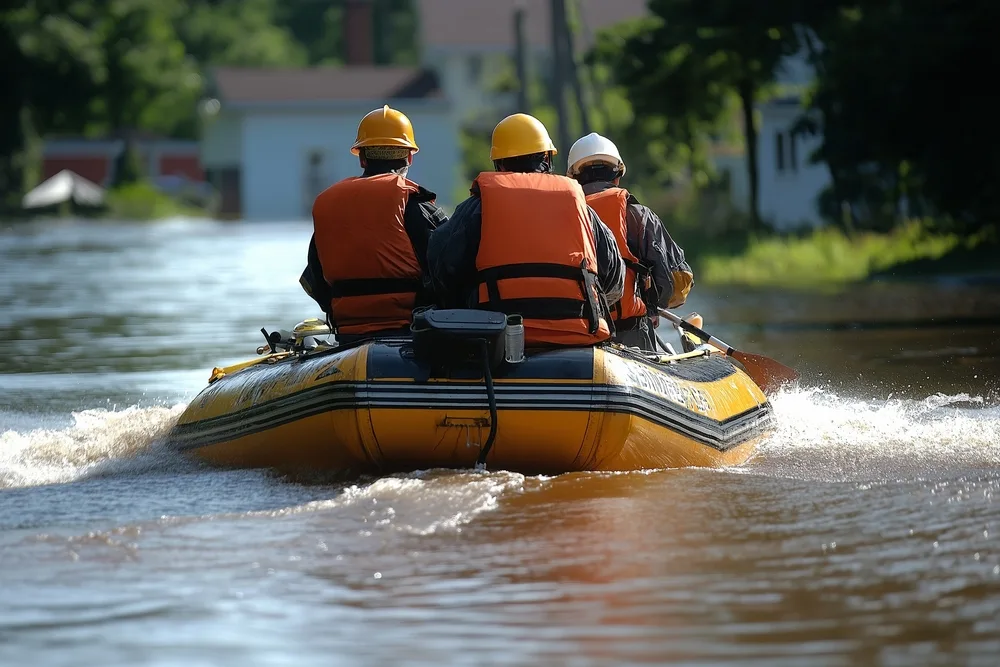
What can Natural Disaster Cover help with?
If a natural disaster affects your journey, the right cover can help take some of the stress out of rearranging plans. Depending on the circumstances, Natural Disaster Cover may help with disruption caused directly or indirectly by a natural disaster.
1. Delayed or cancelled transport
If your flight or other public transport is delayed or cancelled because of a natural disaster, your policy may provide a delayed departure benefit. In some situations, you may also be able to abandon your trip altogether.
2. Missed connections and rearranged travel
Travel disruption can have a knock-on effect, especially if you’re relying on connecting transport.
If you’re unable to continue your journey as planned, your cover may help with additional travel and accommodation costs needed to reach your destination or return home.
3. Alternative accommodation
Sometimes the issue isn’t getting there – it’s staying there.
If your accommodation becomes unusable because of a natural disaster, your policy may help cover:
- Alternative accommodation
- Additional transport costs
- Repatriation back to the UK if necessary
4. Emergency medical expenses
If you become ill or injured during your trip, emergency medical expenses may also be covered under the medical section of your travel insurance policy.
What isn’t covered?
Travel insurance is there to help with the unexpected, but there are still situations where cover may not apply.
Known events
If a natural disaster has already been announced or forecast before you buy your policy or book your trip, it’s usually considered a “known event” and won’t be covered. That’s why it’s always a good idea to buy your travel insurance as soon as you book your holiday.
FCDO or WHO travel warnings
Cover may also be limited if the Foreign, Commonwealth & Development Office (FCDO) or World Health Organization (WHO) advises against travel to your destination, particularly for claims linked to the reason for the warning.
Refunds available elsewhere
Travel insurance is designed to cover costs you can’t recover elsewhere. If your airline, hotel, or tour operator offers a refund or suitable alternative, you may not be able to claim those costs through your policy.
How to prepare before you travel
A little preparation before you travel can make a big difference if plans suddenly change.
Before you book
Take a few minutes to:
- Check FCDO travel advice for your destination
- Research seasonal weather patterns, such as hurricane or monsoon seasons
- Understand any local risks or emergency procedures
When you buy travel insurance
To help make sure you’re properly protected:
- Buy your policy as soon as you book your trip
- Check whether Natural Disaster Cover is included on your policy schedule
- Declare any medical conditions accurately
- Keep copies of your travel documents and insurance details somewhere safe
Useful things to pack in your hand luggage
It’s also worth travelling with:
- Printed or digital copies of important documents
- Emergency contact numbers
- Prescription medication
- A portable charger or power bank
- A small amount of local currency
And if you’re heading somewhere remote, letting friends or family know your travel plans can offer extra peace of mind too.
What should you do if a natural disaster happens abroad?
If you’re caught up in a natural disaster while travelling, try to focus on staying safe and informed.
Follow local advice
Always listen to:
- Local emergency services
- Government authorities
- Your airline, cruise operator, or accommodation provider
If you’re advised to evacuate, move to a safe location as quickly as possible.
Contact your insurer
Once you’re safe, contact your insurer’s emergency assistance team as soon as you can.
They may be able to:
- Talk you through your options
- Help arrange alternative travel or accommodation
- Advise what costs may be covered under your policy
In some situations, emergency costs may be arranged directly through the assistance team.
Keep detailed records
If you need to make a claim later, it helps to keep:
- Receipts for extra expenses
- Written confirmation of delays or cancellations
- Photos of damage where relevant
- Medical reports or treatment notes
Making a claim
If you need to make a claim after a natural disaster, having the right documents ready can help speed things up.
Depending on the situation, you may be asked for:
- Booking confirmations
- Receipts for additional costs
- Cancellation notices from airlines or accommodation providers
- Medical certificates or reports
- Written confirmation that refunds weren’t available elsewhere
The sooner you contact your insurer, the sooner they can guide you through the process.
Stay prepared while you travel
Natural disasters are impossible to predict, but understanding your travel insurance before you go can help make unexpected disruption feel far less overwhelming.
Before you travel, take a moment to check your policy wording carefully, stay up to date with official travel advice, and make sure you know how to contact your insurer if you need support abroad. That way, you can spend less time worrying about the “what ifs” – and more time enjoying the adventure ahead.
