

 Opening Times

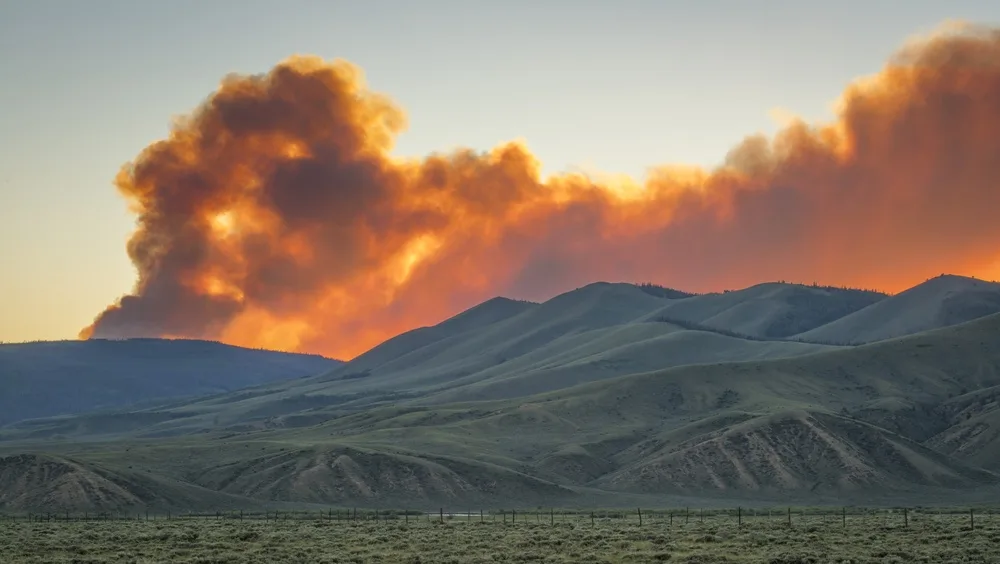
Wildfires are affecting parts of Europe, North America and other popular holiday destinations this summer. While images in the news can be concerning, it’s important to remember that most holidays are continuing as planned, and travellers are being encouraged to travel as normal unless they’re directly affected or local authorities advise otherwise.
Wildfires are often localised, meaning disruption is usually limited to specific areas rather than an entire country or region. Many airports, resorts and tourist attractions remain open, even when fires are being tackled elsewhere.
If you’re travelling to a destination where wildfires have been reported, this guide explains what you need to know, how your travel plans could be affected, and what support is available if disruption does occur.
Before you travel, we recommend checking the latest FCDO travel advice for your destination. It’s also important to monitor updates from your airline or tour operator, and follow any guidance from local authorities if you’re already abroad.
Can you still travel if there are wildfires?
In most cases, yes. Many popular holiday destinations experiencing wildfires continue to welcome visitors. Local authorities and emergency services are working hard to protect residents, visitors and infrastructure.
Unless your airline, accommodation provider, local authorities or the FCDO advise otherwise, you should continue with your travel plans. If you’re unsure whether your destination has been affected, contact your airline, accommodation provider or tour operator before travelling.
How could wildfires affect my trip?
Although most holidays continue without interruption, wildfires can sometimes cause temporary disruption, particularly if they’re close to transport routes or tourist accommodation.
Depending on the situation, you may experience:
- Flight delays or cancellations
- Road closures or diversions
- Changes to excursions or outdoor activities
- Temporary evacuation orders in affected areas
- Reduced air quality caused by smoke
These disruptions are often localised and can change quickly as emergency services bring fires under control.
Which destinations are experiencing wildfires?
Wildfire activity is currently affecting parts of several popular holiday destinations, including:
- France
- Spain
- Italy (including Sicily and Sardinia)
- Portugal
- Greece
- Canada
- The United States
Conditions can change quickly throughout the wildfire season, so it’s always worth checking local updates before and during your trip.
What should I do if my flight is cancelled?
If your flight is cancelled because of wildfire-related disruption, your airline or travel provider should be your first point of contact.
They’ll normally offer one of the following options:
- Rebook you onto another flight
- Offer a travel voucher
- Provide a refund for the cancelled flight
If you’re delayed while waiting for alternative travel, airlines may also have a duty of care, which can include:
- Food and refreshments during longer delays
- Hotel accommodation if an overnight stay is required
- Transport between the airport and your accommodation
If these arrangements aren’t provided directly, keep receipts for any reasonable expenses so you can discuss reimbursement with your airline.
How does wildfire cover work?
Whether you’re covered depends on your policy and the circumstances affecting your trip.
If you’ve purchased Natural Disaster Cover, you may be covered if a natural disaster affects your trip and the policy conditions are met.
Depending on the circumstances, Natural Disaster Cover can provide cover if a natural disaster disrupts your trip. This may include delayed or missed departures, or if you can’t access or stay in your booked accommodation.
Under your policy, Natural Disaster Cover includes the following events:
- Wildfire
- Earthquake
- Tsunami
- Volcanic eruption
- Landslide
- Avalanche
- Cyclone
- Typhoon
- Tornado
For a natural disaster claim to be considered, the event must:
- Happen after you’ve bought your travel insurance and booked your trip.
- Occur in the area where your booked accommodation is located
- Damage local transport infrastructure or your accommodation so access or availability is no longer possible or can’t be guaranteed
As with all claims, each case is assessed individually in line with your policy terms, conditions and exclusions. If you’re unsure how the current situation could affect your cover, please contact us before making changes to your travel plans.
What if I want to cancel my trip?
If you’re thinking about cancelling your holiday because of reports of wildfires, it’s worth checking whether your destination has actually been affected. Many wildfires are confined to specific areas, and the majority of travellers continue their holidays without disruption.
Before making any decisions, we recommend that you:
- Check the latest FCDO travel advice
- Speak to your airline, accommodation provider or tour operator
- Contact our Customer Service team if you have any questions about your policy or how the current situation may affect your cover.
Please remember that choosing not to travel (disinclination to travel) is NOT covered under your policy.
Important phone numbers and links
If you’re travelling to a destination affected by wildfires, these official resources can help you stay informed and get assistance if you need it.
Before you travel
- Foreign, Commonwealth & Development Office (FCDO) travel advice: Check the latest travel advice and safety information for your destination https://www.gov.uk/foreign-travel-advice
- Your airline or tour operator: Visit their website or app for the latest information on flight schedules, delays and cancellations.
If you’re already abroad
- Emergency services: If you’re in immediate danger or need urgent assistance, call the local emergency services using the emergency number for the country you’re visiting.
- British Embassy, High Commission or Consulate: If you need consular support, find the nearest British embassy or consulate https://www.gov.uk/world/embassies
If you have an InsureandGo policy
- 24/7 Emergency Medical Assistance: If you need urgent medical help or have been admitted to hospital, contact our Emergency Medical Assistance team as soon as it’s safe to do so. You’ll find the contact number in your policy documents and on our website.
- Customer Service: If your travel plans have changed or you have questions about your policy, our Customer Service team will be happy to help.
Before you travel, it’s a good idea to save important phone numbers in your mobile phone and keep a copy of your travel insurance policy documents somewhere you can easily access them.
Go without the doubt
Wildfires can make headlines, but they don’t necessarily mean your holiday will be disrupted. In many destinations, life continues as normal, with any restrictions limited to the immediate area affected.
If your travel plans are disrupted, we’re here to help. Our Customer Service team can answer any questions about your policy, while your airline or travel provider will usually be your first point of contact for changes to your travel arrangements.
We’ll continue to monitor the latest travel advice and update this page if new information becomes available.
